Shop for Premium Pet Food and More at VetSupply
At VetSupply, finding the right food for your pet is simple. Our extensive collection brings together carefully selected products across different types, ingredients, and dietary needs, so you can choose what works best for your pet without second-guessing. You’ll find everything from complete and balanced meals to specialised formulas from trusted brands available in one place at the most affordable prices.
Whether you’re feeding a puppy, a cat, a horse, a bird, a fish, a reptile, or another small companion, proper nutrition plays an important role in supporting their overall health and daily wellbeing. VetSupply helps make feeding routines easier with a wide variety of pet food options tailored to different species, life stages, and dietary preferences.
Explore Different Types of Pet Food
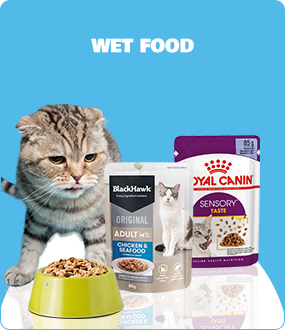
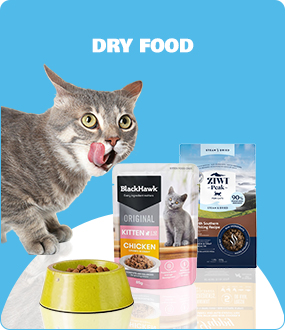
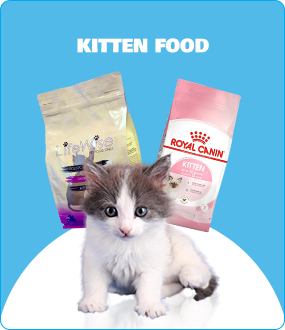
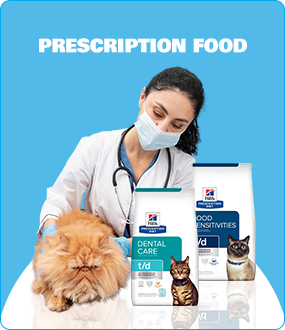
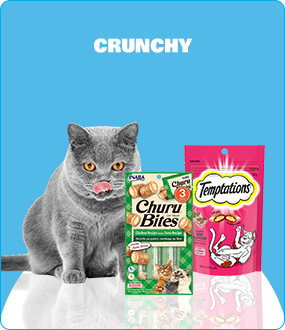
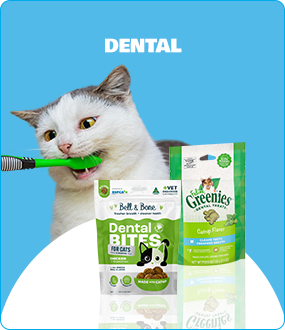
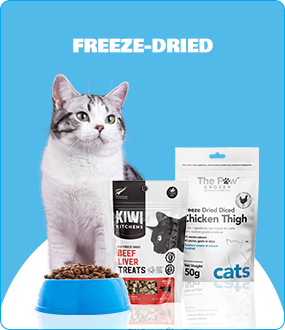
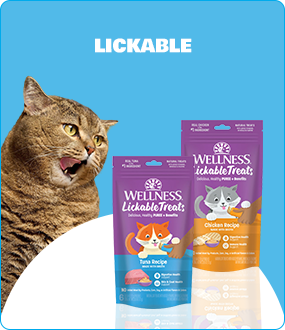
Understanding different food formats can help you choose what works best for your pet’s lifestyle and nutritional requirements. At VetSupply, you’ll find dry food, wet food, grain-free options, prescription diets, freeze-dried meals, treats, and raw feeding solutions designed for different feeding preferences.
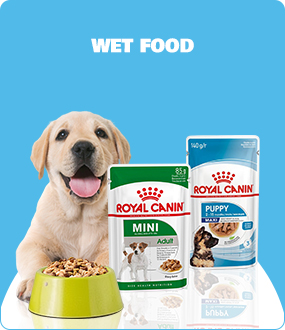
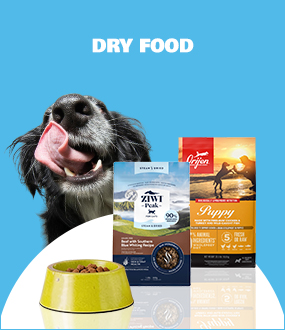
Dry food remains a popular choice because of its convenience and longer shelf life, while wet food offers added moisture and flavour. Grain-free and specialised diets are often chosen for pets with sensitivities, while fresh and raw options appeal to pet parents looking for minimally processed alternatives. Treats can also support training, enrichment, and occasional rewards.
Beyond cats and dogs, VetSupply also offers specialised nutrition for birds, fish, reptiles, horses, rabbits, guinea pigs, and other small animals. From bird seed mixes and fish flakes to reptile food and small animal pellets, the range supports a variety of pets with different dietary needs.
Here’s a quick comparison of different types of pet food to help you make an informed decision:
|
Attribute
|
Dry Pet Food (Kibble)
|
Wet Pet Food (Canned)
|
Grain-free Pet Food
|
Raw/Fresh Pet Food
|
|
Moisture Content
|
Low (6-12%)
|
High (70-80%)
|
Medium
|
High
|
|
Shelf Life
|
Long
|
Short (After opening)
|
Medium
|
Very Short
|
|
Palatability
|
Medium
|
High
|
High
|
Very High (Natural)
|
|
Nutritional Density
|
High (Calorie-dense)
|
Medium
|
High (Protein-rich)
|
High (Natural)
|
|
Hydration Support
|
Low
|
Excellent
|
Medium
|
Excellent
|
|
Storage
|
Easiest
|
Needs refrigeration after opening
|
Easy
|
Needs freezing
|
|
Dental Health
|
Highly beneficial
|
Not beneficial
|
Medium
|
Not beneficial
|
|
Best for
|
Budget and daily feeding
|
Picky eaters and hydration
|
Sensitivities
|
Premium feeding
|
|
Ideal for
|
Active dogs
|
Senior pets
|
Pets with skin or food sensitivities
|
High-end pet parents
|
|
Cost
|
Most affordable
|
High
|
High
|
Very high
|
Buy Quality Food That Fits Your Pet’s Lifestyle
Not all pets have the same needs, and that’s reflected in the range available at VetSupply. You’ll find options suited for different life stages, from young pets to seniors, as well as formulas designed for specific sizes and breeds. Whether your pet needs a high-protein diet or something more gentle on the stomach, there are suitable choices to explore.
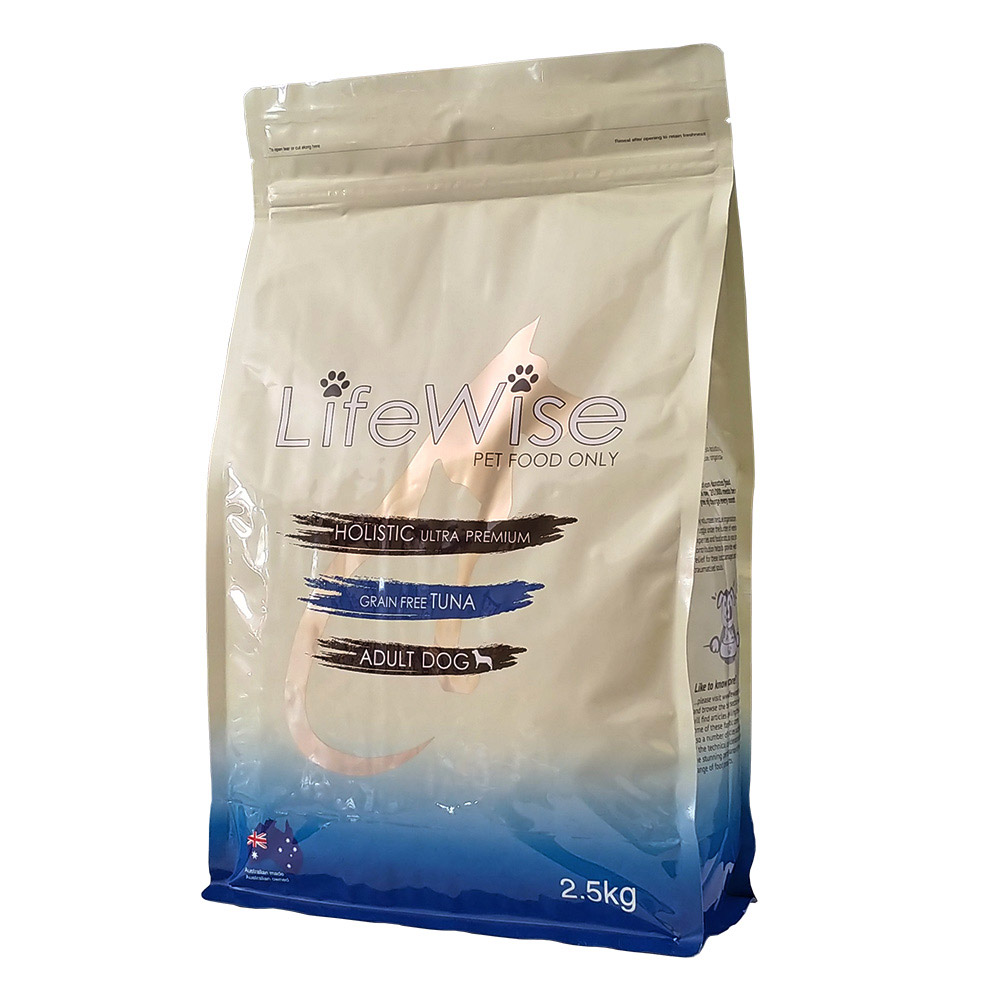
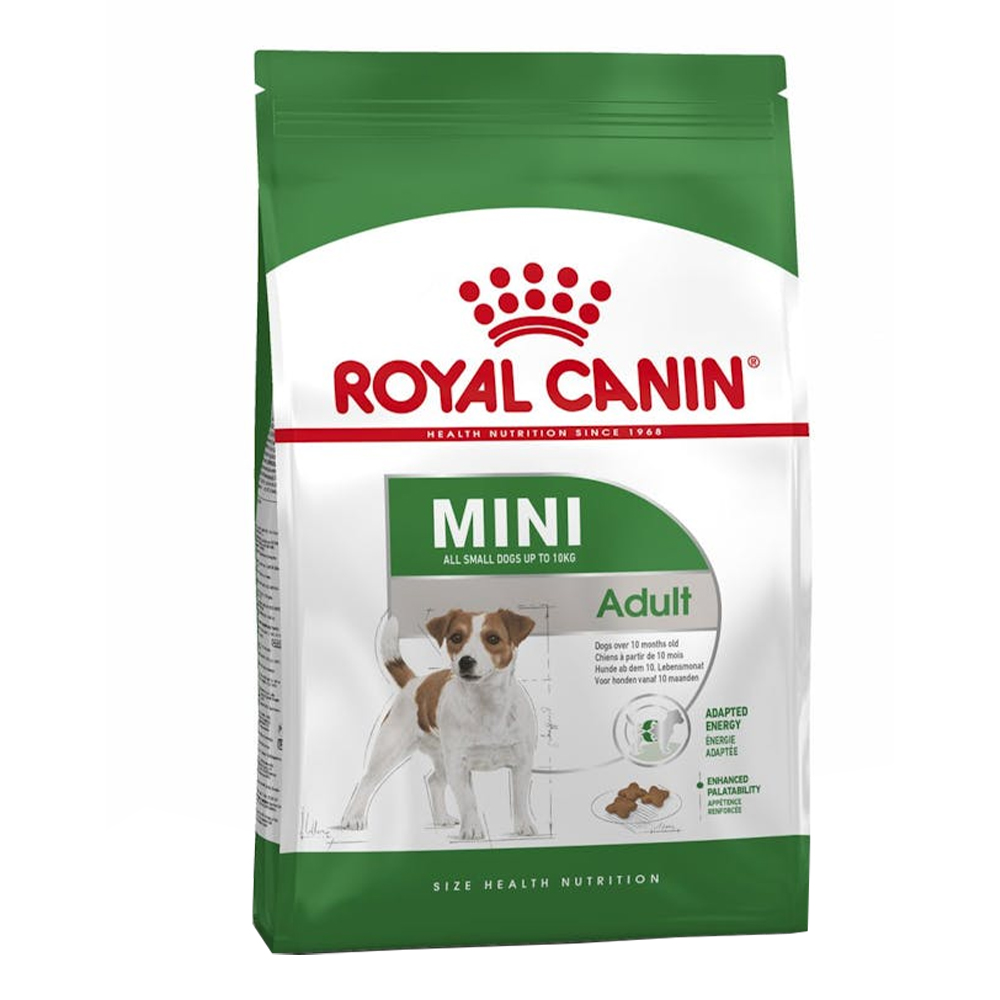
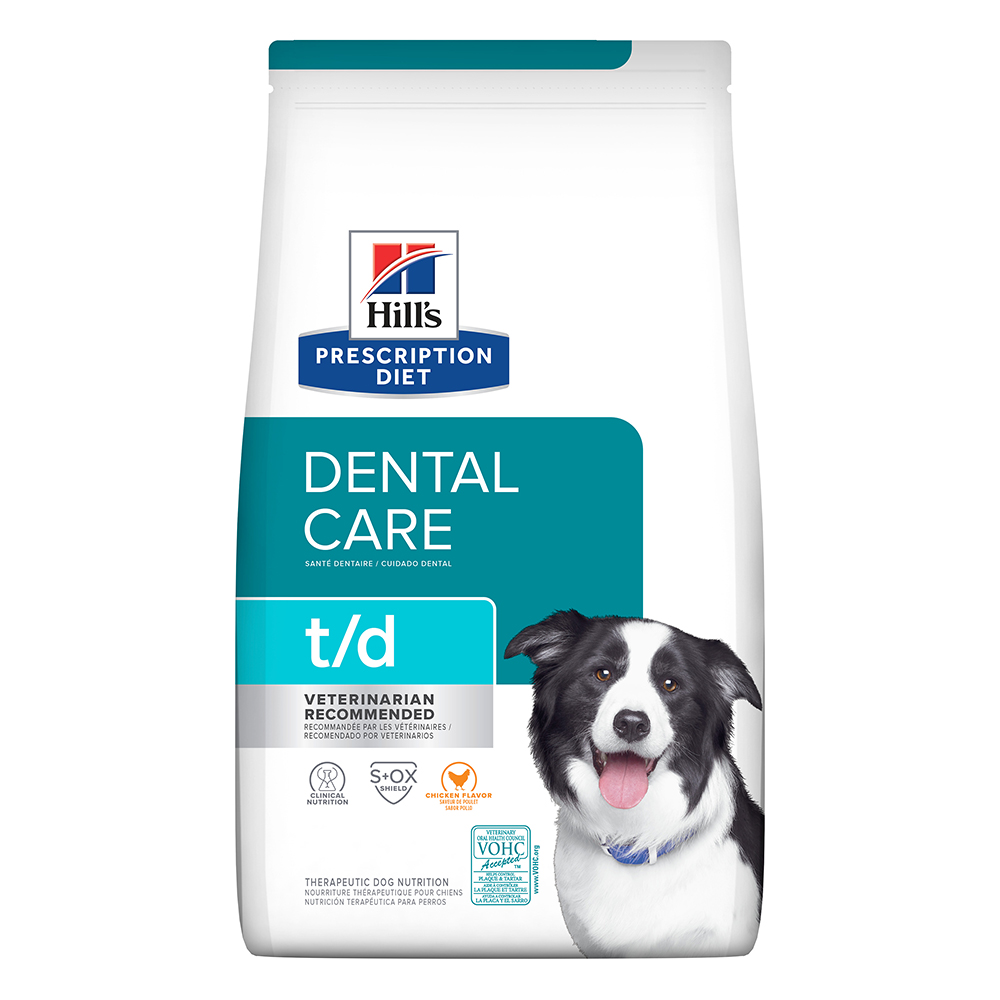
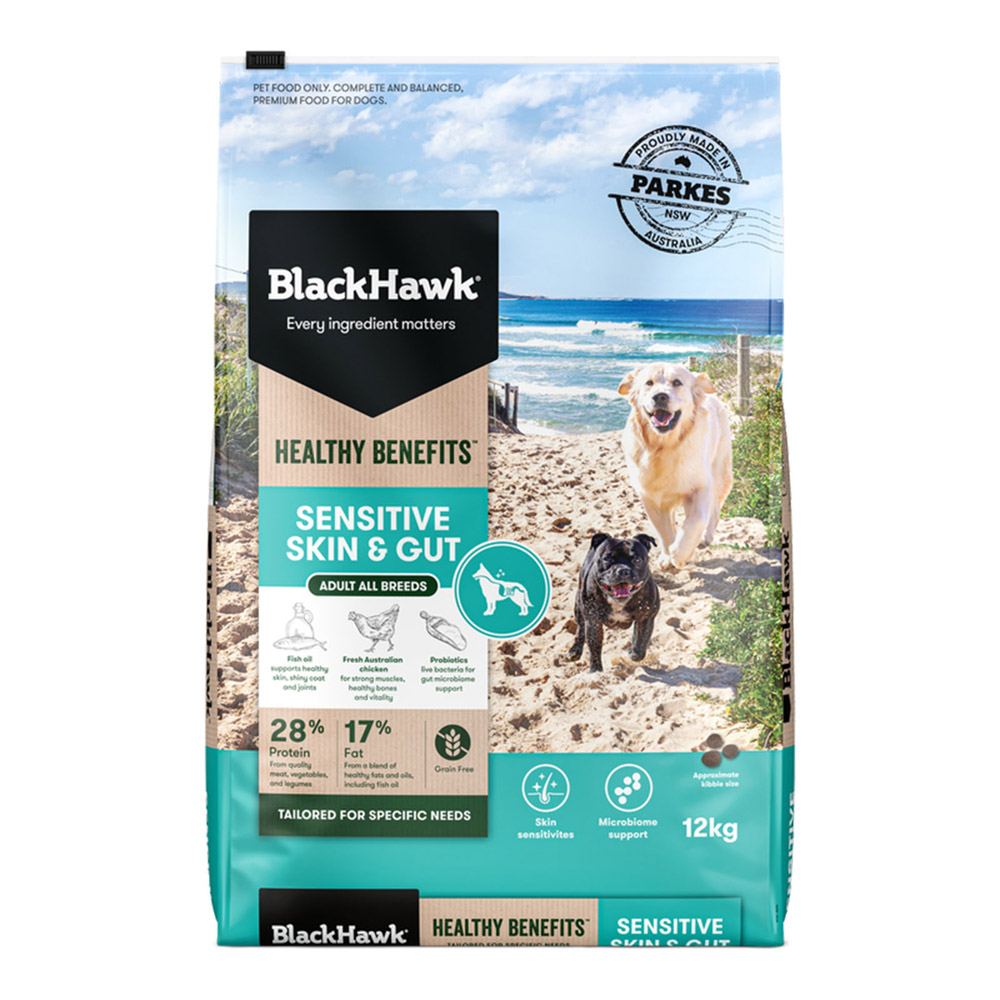
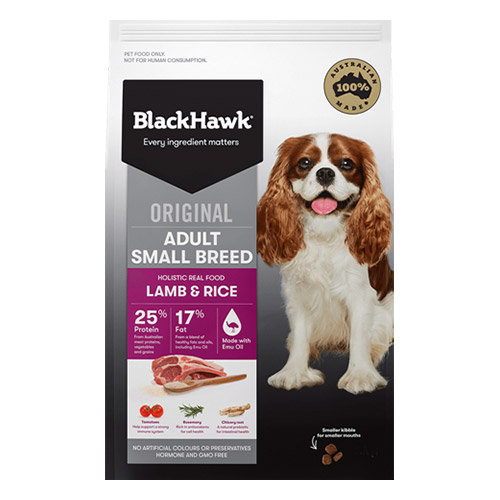
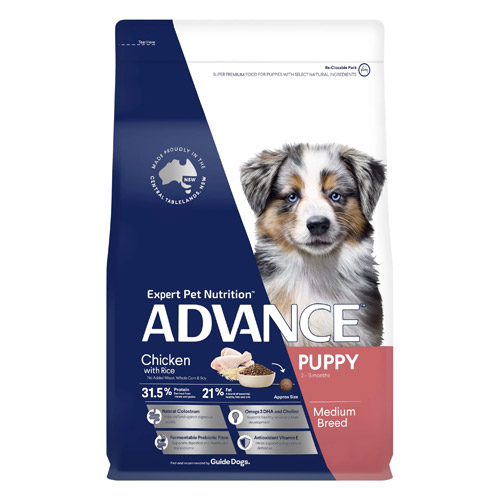
VetSupply brings together some of the most trusted pet food brands like Royal Canin, Hill’s Prescription, Black Hawk, Advance, Pro Plan, Ivory Coat and LifeWise. These brands offer a mix of dry food, wet meals, and specialised diets, giving you dependable options backed by nutritional research and consistent quality.
Explore the thoughtful collection and buy pet food online at the most affordable prices from VetSupply to upgrade your pet’s nutrition game.
Frequently Asked Questions:
Q: What's actually the difference between dry and wet pet food?
Dry food (kibble) is the low-maintenance option - long shelf life, cheaper per meal, and the crunch helps scrape plaque off teeth as your pet chews. Wet food is mostly water (around 70-80%), which is great for pets who don't drink enough on their own, and most dogs and cats find it more appealing straight out of the tin. A lot of owners end up doing both: kibble as the daily base, a bit of wet mixed in for flavour or hydration.
Q: How do I know which food is actually right for my dog or cat?
Start with three things: life stage, size, and anything unusual going on health-wise. A growing puppy needs way more protein and calories than a couch-potato senior. Small breeds burn through energy faster relative to their size than large breeds do. And if your pet's got itchy skin, a sensitive gut, or joint issues, that usually points you toward a specific formula rather than whatever's on special that week.
Q: Is grain-free food worth the extra cost?
Not automatically, no. Grain-free was designed for pets with genuine grain allergies or intolerances - most dogs and cats actually digest grains just fine. If your pet isn't showing symptoms like itchy skin, ear infections, or chronic loose stools, you're probably not getting much extra benefit for the higher price tag. Worth checking with your vet before switching if you're unsure whether it's actually needed.
Q: My dog's got a sensitive stomach - what should I be feeding?
Look for something with a single, easily digestible protein source (chicken and fish are common choices) and added prebiotics or fibre to support digestion. Some dogs do better on wet food, or a mix of wet and dry, if dry food alone is setting off issues. If it's a recurring problem rather than a one-off, that's worth a vet visit - they may recommend a proper gastrointestinal prescription diet rather than an over-the-counter sensitive-stomach formula.
Q: When do I switch my puppy over to adult food?
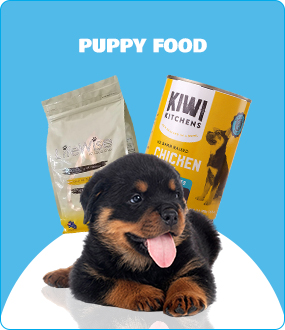
Generally somewhere between 12 and 18 months, though it depends on the breed. Large and giant breeds mature slower, so vets often recommend holding off until 18-24 months for them. Cats are simpler - most switch to adult food around the one-year mark. Check the bag though, because feeding guidelines do vary between brands.
Q: How do I switch my pet's food without upsetting their stomach?
Slowly, over about a week to ten days. Roughly: 25% new food mixed with the old for the first few days, up to 50/50 by the middle of the week, then mostly new food by day seven or eight. Jumping straight to a new food is the most common reason pets get diarrhoea or start vomiting after a diet change - the gut needs time to adjust.
Q: Royal Canin or Hill's - which one's better?
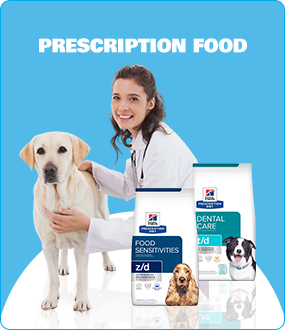
Depends what you're after. Royal Canin leans into breed- and size-specific formulas, right down to kibble shaped for different jaw types. Hill's builds its reputation on clinical research, and its Prescription Diet range is a go-to for vets managing specific conditions. Neither is objectively "better" - it comes down to whether your pet has a general nutrition need or something a vet's actively managing.
Q: How much should I actually be feeding my dog each day?
It varies by weight, age, and how active they are, but as a rough starting point, adult dogs eat around 2-3% of their body weight daily, usually split into one or two meals. The feeding chart on the bag (usually grams per kg of body weight) is a better guide than a flat percentage, though - and it's worth adjusting based on whether your dog's actually maintaining a healthy weight, not just following the chart blindly.
Q: Can I set up repeat deliveries so I don't run out of food?
Yes - Auto Order lets you schedule your pet's food to arrive on a set cycle, so there's no last-minute dash to the shops when the bag runs empty. You can change the frequency, pause it, or cancel it whenever from your account - no lock-in.






 Popular Brands
 Popular Brands
 Popular Brands






























_11132025_205157.png)







































 Aug 12, 2026